




Interview with Camilla Hillerup, new COO of Lucinity
Lucinity’s new COO shares how the company plans to scale financial crime operations with discipline, trust, and a human-first approach to AI.
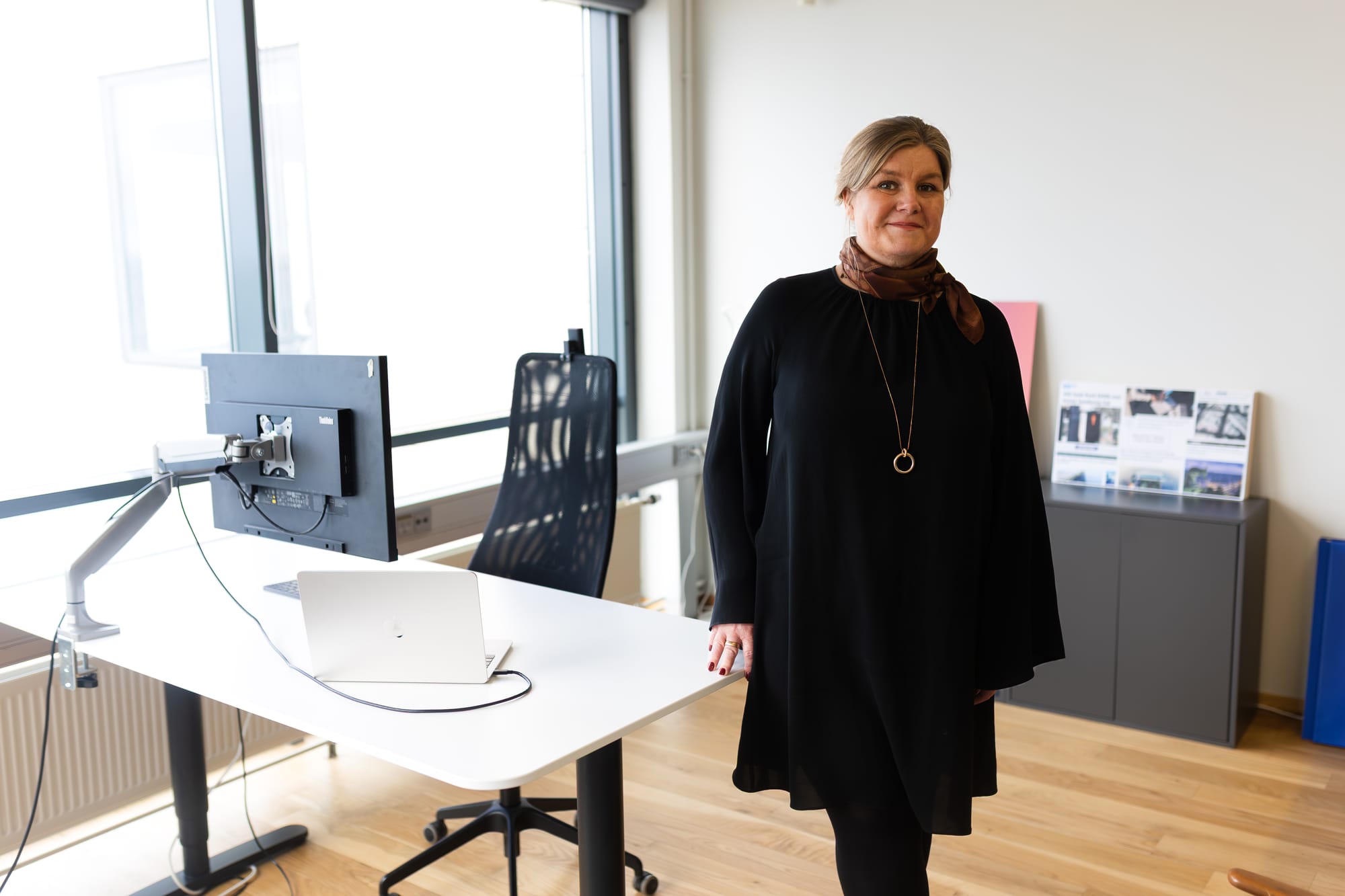
Lucinity recently welcomed Camilla Hillerup as Chief Operating Officer. She joins the company after more than 15 years in leadership roles across Microsoft, KPMG, and Deloitte, working at the intersection of people, growth, and technology. In this interview, she shares her perspective on Lucinity’s future, her leadership style, and what it takes to build and scale strong teams.
When you look at Lucinity today, where do you see the biggest opportunity to strengthen the company?
I believe our greatest opportunity is to redefine what “scale” means when we speak about financial crime prevention—moving beyond volume to delivering consistent quality, accountability, and impact in financial crime operations without increasing effort and human load at the customers.
Lucinity has cracked a problem: executing financial crime investigations at scale while leaving governance exactly where it belongs — with the institution. That model only works if trust is absolute. Our opportunity is to make it operationally bulletproof for customers: seamless onboarding, predictable outcomes, consistent quality, and oversight that scales with confidence.
What are your top three priorities for the next year?
1. Scale Managed Services with discipline - Grow our Human AI Operations without diluting what makes them trusted
2. Reduce friction across the operating system- Ensure product, sales, and delivery work together so customers experience Lucinity as clear, predictable, and easy to work with – from onboarding to daily operations.
3. Protect the special DNA of Lucinity as we grow- Preserve the quiet strength, craftsmanship, and human-first culture that make Lucinity different – because trust, quality, and accountability start with how we work internally
How do you define operational excellence in a fast‑scaling tech company?
Operational excellence is clarity without bureaucracy, trust and accountability without control and oversight. It is having the right decision rights, metrics, and cadence so teams can move fast while customers experience reliability and trust. In Lucinity’s world, excellence means investigations are explainable, audit‑ready, and consistently delivered without compromising institutional control.
Where do you see Managed Services fitting into Lucinity’s long-term strategy?
In the future, Managed Services are at the core not an add-on. It is our strategic advantage. Human AI Operations change the operating model. Done well, this becomes a durable “new default” for how FinCrime teams scale capacity and quality under rising pressure, without compromising governance or destabilising internal structures.
What does sustainable growth mean to you?
Sustainable growth comes from predictability and trust. Scaling responsibly means building capacity that holds up under regulatory scrutiny, increasing volumes, and complexity—without burning out teams or customers. Growth only works when quality, governance, and delivery maturity scale together.
How can operations enable innovation rather than slow it down?
Good operations remove noise and remove friction. When teams have clarity, predictable delivery, and strong foundations, they can innovate faster. Operations should create space for innovation by reducing friction and not by adding layers.
What experiences most shaped how you lead and make decisions today?
Leading through transformations taught me that we need to put people first and that clarity is kindness, especially when pace is high and ambiguity is real.
Over time I have learned to focus on what creates trust: transparent priorities, calm decision-making, and building support that help people do their best work. I am shaped by the belief that strong results come from strong environments — where people are seen and recognized, and where they feel ownership, purpose, and respect.
What is a challenge from past roles that changed how you think abut scaling teams or operations
The hardest part of scaling is rarely speed. It is alignment. Growth exposes where decision rights, incentives, and accountability are unclear, and no amount of talent can compensate for that. Scaling well requires strong people, courage, and leadership clarity so everyone pulls in the same direction.
At the same time, scaling demands adaptability. Change is constant, and leaders must be willing to adjust, learn, and course‑correct without losing direction. Agility isn’t about reacting to everything – it’s about creating enough clarity and trust that teams can adapt responsibly when conditions change.
Patterns you see in companies that scale successfully vs. those that struggle
Successful companies invest early in operating models, leadership clarity, and trust, but remain an agile and entrepreneurial culture to drive the scale. Struggling companies depend on individual effort for too long and postpone building structure until friction becomes costly.
What is something people often misunderstand about the COO role?
People often think the COO role is mainly about execution and keeping things running smoothly. In my mind, it is about building the operational foundation that allows company to grow and scale. Aligning teams, creating clarity and turning strategy into consistent results. A strong COO helps the organization move faster with confidence without loosing quality, culture or focus.
How do you balance speed, structure, and flexibility?
Speed and control are often positioned as trade‑offs, but they do not have to be. My focus is to put structure around what must be consistent and where it protects trust — clarity on responsibilities, quality standards, and delivery expectations — and leaving room everywhere else for teams to adapt and innovate. In regulated domains where Lucinity operates, this balance is critical: customers need speed, but they also need explainability, auditability and control.
What metrics do you pay most attention to?
Metrics should tell you whether the system is calm and reliable—not just busy. Are we profitable, predictable and without breaking the organization., I look for the “truth metrics” the few indicators that reveal whether the business is accelerating momentum or quietly accumulating risk .
How do you create alignment across product, sales, and delivery?
Through shared priorities, clear ownership, and continuous dialogue. Alignment is not a one‑time exercise, but a daily operating discipline.
What is the hardest operational decision you typically have to make
Choosing focus and staying the course. Opportunities are everywhere, resources are not. Saying no to good ideas to protect clarity and execution discipline is often harder than to say yes. Operational leadership is about stewardship. Protecting the long-term health of the company, even when the short-term decision is uncomfortable.
What motivates you outside titles and results?
What truly motivates me is growth and positive impact. Seeing people develop confidence, capability, and courage to deliver great things — and knowing I have helped create the conditions for that matters deeply to me. I am driven by leaving something better behind: stronger teams, healthier business and cultures, and organizations that create value true value beyond just business.
If your team described your leadership style in three words, what would you hope they’d say?
Clear. Human. Reliable.
Clear in direction and expectations, human in how we lead and collaborate, and reliable in following through — especially when things get busy or uncertain.
Over time, leading through transformation has also meant navigating personal change. It has pushed me to reflect on what truly matters in leadership. I keep coming back to trust, clarity, empowerment, and adaptability — and to the responsibility we have as leaders to create environments where others can grow, step up, and feel safe to learn.
What do you enjoy doing when you’re not working?
I value time with family and friends. Being active and in nature. A small ritual I love is my late evening walk with my dog and often with a friend, where we digest the day and try to solve the worlds challenges. I am curious by nature and love to explore whether this is by good conversations with diverse perspective, traveling or more formalized learning.
One habit or routine that keeps you grounded during busy periods
Digesting my day with a walk alongside the sea.